

In a recent SCMP opinion piece, Dr Andy Xie talked about why he believes that China is becoming the Saudi Arabia of the 21st century.
Here are some highlights:
As new energy vehicles and solar power spread around the world, the demand for hydrocarbons is likely to decline outside China. The Global South could bypass fossil fuel-led economic development and jump to more economical renewable energy sources like solar and hydrogen.
Many countries in the Global South import oil. This is a persistent outflow of hard currency. Renewable energy requires investment for two to three decades of energy supply. It makes economic development cheaper and easier. Rural areas that are not connected to energy networks could have their own independent energy source, leapfrogging into the 21st century. Economic development in the Global South will become disconnected from hydrocarbon demand.
Renewable energy is the greatest equaliser in the global economy. It makes energy independence available to any country that wants it. And it allows any country to become an energy supplier through manufacturing. China is now leading in this industry. Through scale and innovation, it has made renewable energy competitive or even cheaper than fossil fuels. This strategy has made China the Saudi Arabia of the 21st century.
The rise of renewable energy alters the global balance of power. It favours the manufacturing economy and lessens the importance of a resource-based economy. As only a few lucky countries are rich in hydrocarbons, the rise of green energy is a great equaliser in global wealth distribution.
Energy is the most important factor in the global economy. Cheaper and plentiful renewable energy can bring billions of people in the Global South into the modern economy. The rising productivity and purchasing power of so many will power the global economy and trade in the years to come.
The volatility of oil prices has been a destabilising force in the global economy since the 1970s. Declining demand for oil will make the global economy more stable, which favours poor countries that have energy accounting for a bigger share of their economy.
When oil price declines, it usually signals the global economy declining. The current episode signals much more. As renewable energy replaces hydrocarbons, the global economy will become more prosperous, equal and stable.
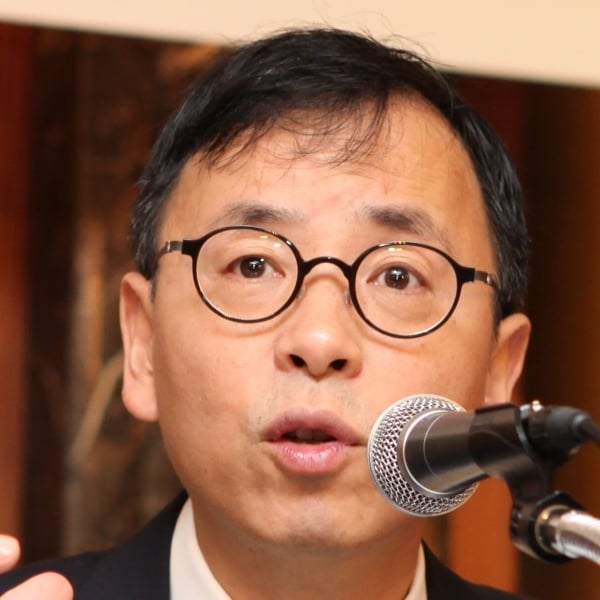 Dr Andy Xie 謝國忠 is a renowned Chinese economist based in Shanghai who has been named one of the “50 Most Influential Persons in Finance” by Bloomberg.
Andy Xie’s skill and has been tried and tested through the years. He is one of the few economists who has accurately predicted economic bubbles including the 1997 Asian Financial Crisis and the more recent subprime meltdown in the United States.
He joined Morgan Stanley in 1997 and was Managing Director and Head of the firm’s Asia/Pacific economics team until 2006. Before that, Andy spent two years with Macquarie Bank in Singapore an associate director in corporate finance and five years as an economist with the World Bank. Dr Andy Xie is currently a director of Rosetta Stone Advisors.
Dr Xie earned a PhD in economics in 1990 and an MS in civil engineering in 1987 from the Massachusetts Institute of Technology.
Contact us to have Dr Andy Xie speak at your upcoming event.